Stress Effects On The GI Tract

The neurons present in the gut work independently, and they maintain communication with the brain constantly. There is usually a significant impact of stress on your gut, resulting in pain, bloating, and other kinds of discomfort in the abdominal area. The healthy bacteria present in the gut can get affected if you have stress. The resultant pain and discomfort can result in an even more significant emotional disorder. In other words, the nerves and gut flora can affect your brain and vice versa.
Stress in the early years of life can result in a reduced or impaired development of the nervous system. It also changes the way your body reacts to stress. These changes can result in severe gut diseases.
Esophagus
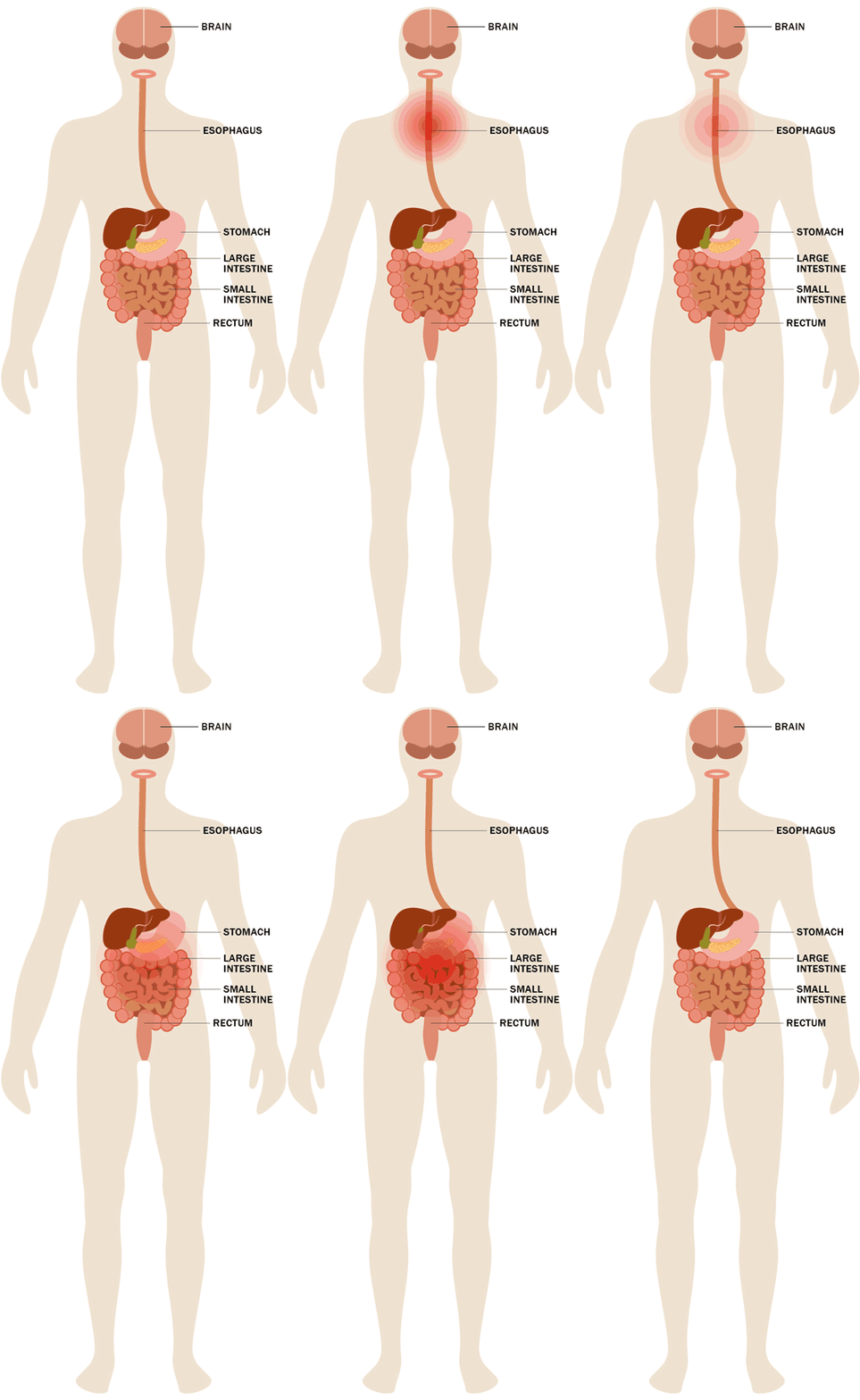
Stress can result in an impact on eating habits. You may start eating too much or too less than usual. Many individuals start eating different foods consuming alcohol, which can have highly adverse effects on the entire gut. Stress can also increase the severity of heartburn that you usually have. In rare cases, an immense amount of stress can result in spasms around the esophagus, leading the individual to mistake the condition to be a heart attack. Stress can also increase the amount of air you swallow, resulting in frequent burping, gassiness, and bloating.
Stomach
Stress can make you feel a significant amount of pain in your stomach. In case of severe stress, an individual may have vomiting. In some cases, mental stress can lead to an increased or decreased appetite, depending on how an individual responds to it. If you eat more in response to stress, you might have no option other than eating unhealthy foods, which can deteriorate your stomach health further.
Most people believe that stress can result in stomach ulcers and an increased amount of acid in the stomach. It is not true. Ulcers are caused by bacterial infections. When you are stressed, the discomfort due to an ulcer might become more bothersome.
Bowel
Stress can result in an immense amount of discomfort in the bowel. Having stress may result in a change in how quickly foods move through your bowels. This increased or decreased transit can result in diarrhea or constipation. Stress can also result in muscle spasms in the bowels, resulting in individuals feeling pain and discomfort.
Stress can also affect the way your bowels digest the foods you eat. The primary function of your bowels is to absorb nutrients from the broken foods. Stress may result in what and how much nutrients your body absorbs. Intestines remain protected with the help of a tight barrier, which keeps food-related bacteria from entering into the body systems. Due to stress, this barrier may weaken, result in those bacteria affecting the way we digest our foods. While our immune systems take care of those bacteria quite well, a consistent release of those bacteria can result in mild but chronic symptoms.
Stress can be quite deadly if you have chronic bowel disorder. So you may want to stay away from anything that causes stress.
 Intestinal Health Blog